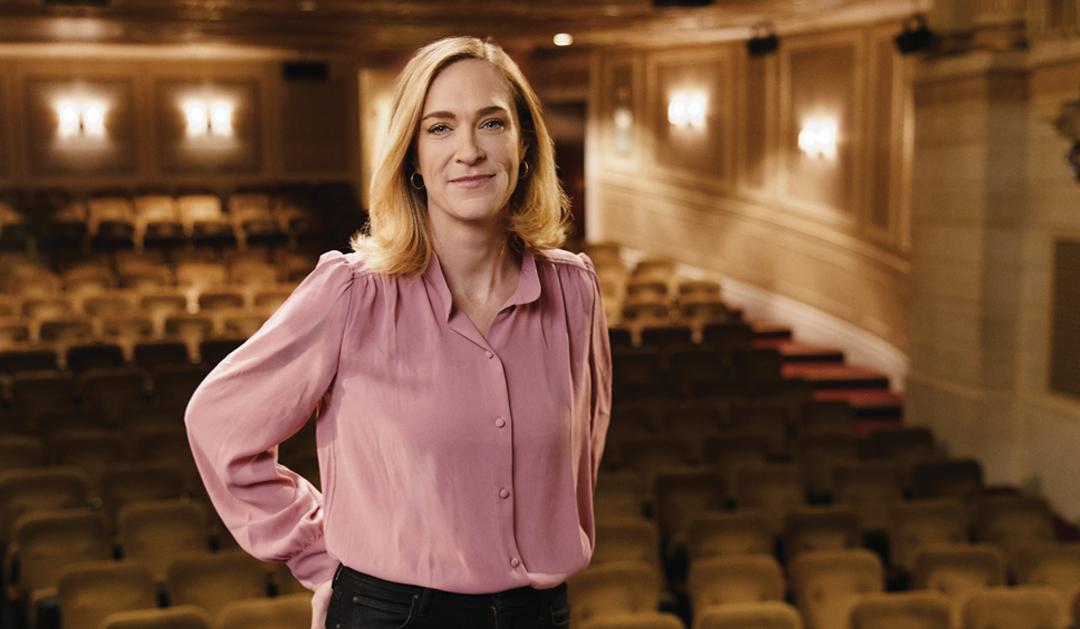
Photograph of a smiling woman in a pink blouse in an empty theater auditorium.

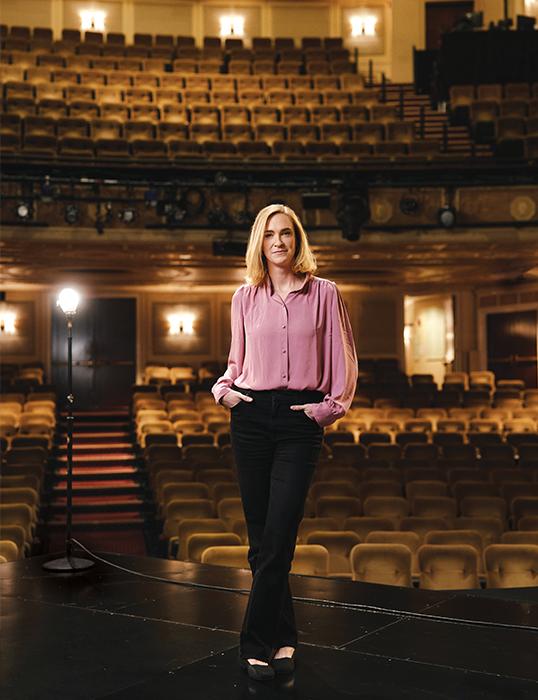
Nicki Hunter ʼ09 photographed at the Samuel J. Friedman Theatre by Emilio Madrid.

Setting the Stage: Lehigh Alumni are Shaping the Theater Industry from Campus to Broadway

Getting your Trinity Audio player ready...

Nicki Hunter ʼ09, Daphnie Sicre ʼ98 and Kashi Johnson ʼ93, professor of acting at Lehigh, continue to make meaningful contributions to the performing arts industry and the communities they serve.

Photography by

Emilio Madrid

Christine Kreschollek

After Nicki Hunter ’09 was rejected for a third time for an internship at New York’s prestigious Manhattan Theatre Club (MTC), she remembered advice from a professor at Lehigh—not in the theatre department, but in the College of Business: “A foot in the door is a foot in the door; once you’re in a company, you’re in.” She called back the nonprofit theater company and asked if there were any open positions, and was offered an unpaid role in the development office. That was enough to get an “in.”

From those beginnings 16 years ago, Hunter rose through the ranks, eventually becoming assistant to longtime artistic director Lynne Meadow, and then subsequently being promoted to artistic associate, line producer, artistic producer and associate artistic director.

Last December, Hunter succeeded Meadow as artistic director, the top creative position in the company. In that role, she now oversees programming and producing for MTC's three stages—one of only four nonprofit theater companies with a Broadway stage, in addition to two off-Broadway stages. She continues the company’s long legacy of showcasing exciting, bold new shows in New York.
We program theater not with the motivation to make money, but to say, ‘How are we progressing the art form? How are we contributing to the cultural landscape?...

Nicki Hunter ’09

“We are able to take risks on new stories because we’re a nonprofit,” Hunter says. “We program theater not with the motivation to make money, but to say, ‘How are we progressing the art form? How are we contributing to the cultural landscape? How are we making people think, or making people cry, or making people laugh?’”

Hunter’s rise to the top of the New York theater world demonstrates the strength of the training she received in Lehigh’s theatre department, which has launched a number of alumni to top positions in the industry.

Pursuing Real Impact

On the other side of the country, Daphnie Sicre ’98 is a professor at University of California–Riverside and self-described multi-hyphenate theater artist, who works as a teacher, director, dramaturge, researcher and co-director of a writing fellowship in musical theater for Latin American and Caribbean playwrights.

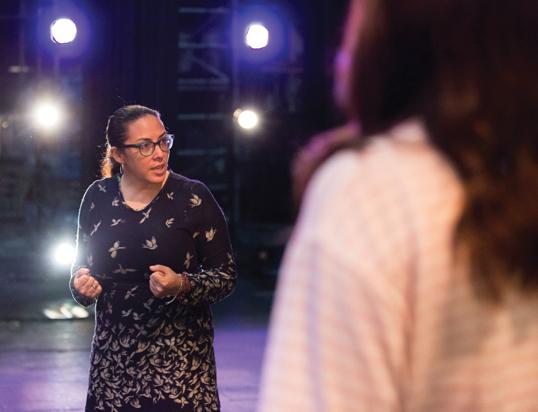
Woman in glasses gesturing with clenched fists on a stage with bright spotlights.

Daphnie Sicre ʼ98 is a multi-hyphenate theater artist, who works as a teacher, director, dramaturge and researcher.

Her journey began after college when she started a theater program at a Florida high school teaching predominantly Caribbean and Latine students. Despite leading them to win the Florida Theatre Conference competition, she grew frustrated by the fact that her students were not represented in the curriculum she was teaching.

She went to New York University to earn a Ph.D. in theater, centering on educational theater with a focus on AfroLatine culture, and is now one of the top scholars and directors promoting plays by Black and Latine artists.

“I went to grad school to help change curricula, thinking I could continue to direct independently and develop my artistry while creating real impact,” Sicre says. “Fast-forward to now, and that’s exactly what I’m doing, which is mind-blowing to me.”

Building on a Storied Theater Legacy

Lehigh has a long history of innovation in the areas of arts and performance, providing opportunities for students in theater to explore bold and experimental forms. This spring, the university further acknowledged those strengths with a new organizational structure designed to elevate and strengthen the arts. A new unit, Arts and Libraries, joins the libraries, Zoellner Arts Center and Lehigh University Art Galleries under one division.

“What excites me about the new structure is that it recognizes the arts as essential to the intellectual life of the university,” says Kashi Johnson ’93, professor of acting and outgoing chairperson of the theatre department.

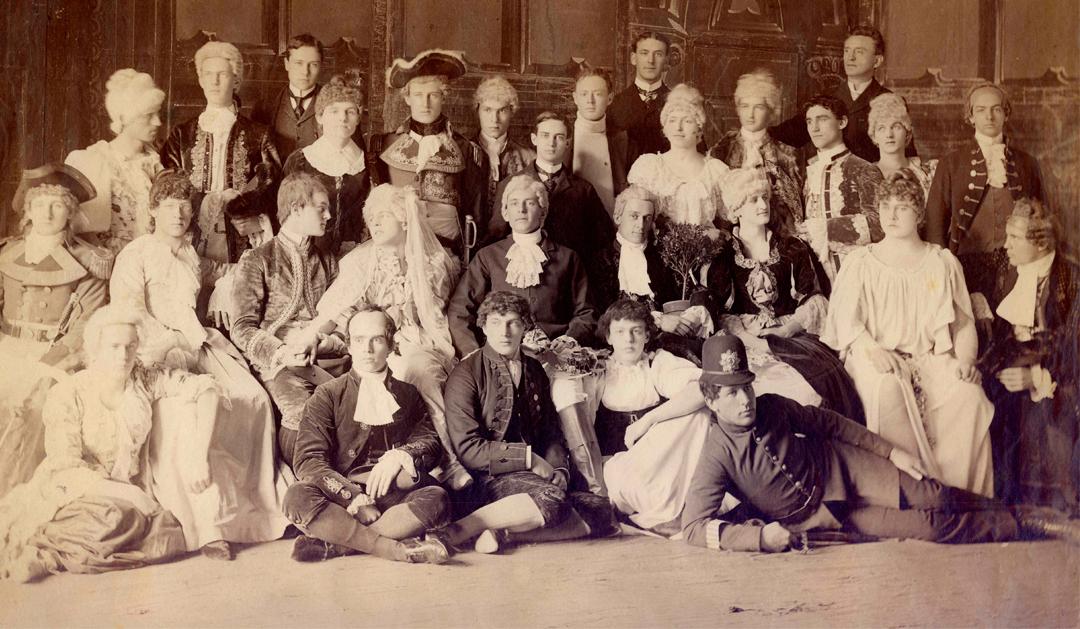
Lehigh’s theater history goes back to the founding of the Mustard and Cheese Drama Society by students in 1884, less than two decades after the university was founded, making it the second-oldest collegiate drama society in the U.S. Lehigh officially launched its theatre department in 1988. Nearly a decade later, in 1997, Zoellner opened, complete with three theaters, an art gallery, and dance and recording studios; it now hosts more than 250 productions a year.

Sepia-toned group portrait of people in 18th-century period costumes.

Lehigh’s theater history goes back to the founding of the Mustard and Cheese Drama Society by students in 1884, making it the second-oldest collegiate drama society in the U.S.

Johnson is an alum of the theater program, originally coming to Lehigh to study computer science and engineering before getting bit by the acting bug. After earning an MFA at the University of Pittsburgh, she returned in 1999 to teach and direct at Lehigh at the invitation of Pam Pepper, professor emerita of acting and directing.

A renowned expert on Black Acting Methods, Johnson since launched a popular course on Hip-Hop Theatre long before “Hamilton” broke the genre into the mainstream, and has been a witness over the years to the many strong graduates of the program.

What excites me about the new structure is that it recognizes the arts as essential to the intellectual life of the university.

Kashi Johnson ’93, professor of acting

“The tools and technologies have changed, but what we do has remained remarkably consistent,” Johnson says. “The same theater education that supported me is now helping today’s students become storytellers, collaborators and critical thinkers.”

Lehigh has a reputation in the Lehigh Valley for staging daring shows that push the envelope, she says.

“Students today are engaging with digital media, interdisciplinary collaboration, community engagement and a far broader range of stories and perspectives than theater students could have imagined a generation ago,” she says.

Whether or not they eventually go into the industry, she says, theater as a discipline teaches skills applicable to a broad range of post-graduation experiences.

“The arts provide something increasingly rare in higher education: spaces where students can learn to navigate ambiguity, collaborate deeply, take risks, make meaning and develop empathy,” Johnson says. “The world is so focused on answers, and the arts teach students how to ask better questions.”

Carving Out Bold Paths

That vision of theater resonates with Hunter, who always knew she wanted to pursue a theater career, performing in plays from a young age growing up outside of Boston.

“The vibrancy and electric sparkle I got from working together and creating something we were proud of has always been my community, my team sport, my religion,” she says.

Photograph of a woman in a pink shirt standing on an empty theater stage.

Nicki Hunter ʼ09, artistic director of Manhattan Theatre Club, photographed at the Samuel J. Friedman Theatre by Emilio Madrid.

When it came time for college, she searched for a well-rounded university where she could get a liberal arts education and landed at Lehigh.

“I wanted to learn about the world in other areas, and bring that back into the theater,” she says. She boldly auditioned for “A Midsummer Night’s Dream” her third day on campus, and was lucky enough to secure a part as one of the fairies. She followed that up with numerous roles in plays over the years, including Nora in “A Doll’s House” and Olga in “Three Sisters.”

At the same time, she was shaped by the rigor of theater courses, especially the “Dramatic Action” class taught by Augustine Ripa, professor emeritus of acting and directing.

“I still use that training to analyze new scripts to determine the dramatic intent from line to line,” she says.

While other subjects may encourage concrete answers, theater lives in ambiguities that demand critical thinking.

“There was no right or wrong—it was, ‘What’s your thesis and how do you defend it?’” Hunter says. “It allowed me to think outside the box and approach the world in a way that helped me better understand what I’m trying to achieve and why.”

While earning her bachelor’s in theatre, she embarked on a business minor and later realized that she could integrate business principles into her career that meshes an understanding of performance and the economics of nonprofits.

To be able to sit in the audience at Lehigh, and then years later work with the original artists was an amazing full-circle moment.

Nicki Hunter ’09

She first encountered MTC after being blown away by a student production of David Auburn’s “Proof,” which was originally produced by the company, and set her sights on working there after graduation. During her rise through the organization, she experienced many milestones, including her first show as a producer, Simon Stephens’ “Heisenberg” starring Mary-Louise Parker, which went to Broadway; as well as remounting “How I Learned to Drive” again with Parker—another show she originally saw at Lehigh.

“To be able to sit in the audience at Lehigh, and then years later work with the original artists was an amazing full-circle moment,” she says.

Along the way, she’s also worked with a number of Lehigh alumni, most recently costume designer Dede Ayite ’07, who won the 2024 Tony Award for Best Costume Design of a Play for her work on MTC’s production of Jocelyn Bioh’s “Jaja’s African Hair Braiding.”

For her inaugural season as artistic director this fall, Hunter has planned a rich slate of productions including a 10th anniversary remount of Bioh’s “School Girls” on Broadway; a world premiere, “Montauk,” starring Laura Linney, MTC’s new artist-in-residence; and a revival of Clifford Odets’ 1935 ode to working-class struggle, “Awake and Sing!” She’s also announced plans to incubate two brand-new musicals, an ambitious new undertaking for the nonprofit.

“I feel like just yesterday I was walking down the stairs into that first audition at Zoellner,” she says. “There’s no difference between the bold audacity of going into an audition and the audacity of staging new plays as artistic director. I’m always focused on what’s next and eager for the next challenge.”

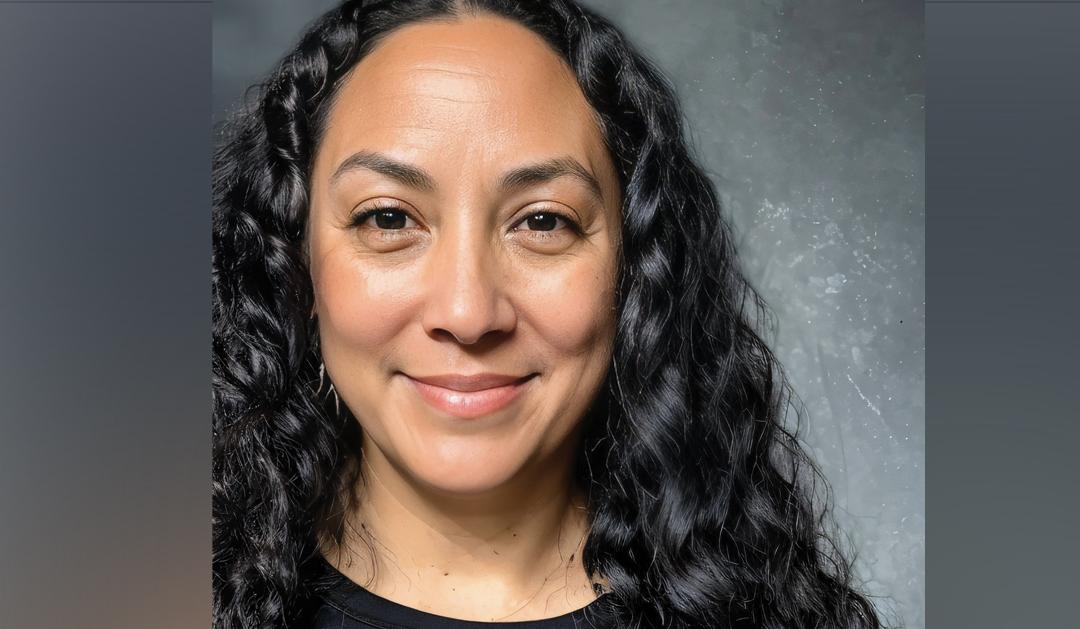
Photograph of a smiling woman with long curly black hair.

Daphnie Sicre ʼ98

Reimagining the Curriculum

Sicre has been equally as bold in the path she’s carved for herself in the theater world. She came to Lehigh as an international student born in Ecuador to Spanish and Peruvian parents, and spent a period of time attending high school in New Jersey.

During her first year, she juggled theater with track, often racing from practices to rehearsals for two one-act plays, “Molly’s Dream” and “The Successful Life of 3” by Cuban-American playwright María Irene Fornés, directed by Pepper. From there came roles in “Bound and Unbound” and “Dutchman” by Amiri Baraka, but she fell in love with stage management working on Zora Neale Hurston’s “Spunk” and August Wilson’s “Fences.”

Lehigh’s commitment to producing work by playwrights of color was a seminal influence on Sicre.

“The fact that we produced a Black show every year I was there was incredible,” she says. “When a predominantly white institution tells me they can’t, I say, “Yes, you can.ʼ It’s all about reaching out and building trust.”

Her talents earned the attention of a Hollywood TV producer who put her on the short list for a show, if only she lost 20 pounds. “It was crazy—I was all packed muscle at the time,” she says. “I realized then I didn’t want to do acting for a living if it meant I couldn’t eat.”

The fact that we produced a Black show every year I was there was incredible.

Daphnie Sicre ʼ98

She switched to focus on teaching, minoring in education while earning degrees in journalism, theatre and history as a five-year President’s Scholar. Years later, her experience teaching in Florida crystallized her desire to work with young people, especially after bringing the students to the Florida Theatre Conference with a powerful bare-bones production addressing the AIDS crisis in the Haitian community.

In graduate school at NYU, she took a course on AfroLatine history and culture. During that time, she saw the production of David Lamb’s “Platanos Y Collard Greens,” a meet-cute comedy exploring the collision of African American and Latine culture in New York.

She wrote her dissertation on the play and its impact in theater, as well as AfroLatine representation in theater, becoming the first scholar of AfroLatine theater.

“I was so angry,” she says. “How had I never been taught about this? I decided I was going to write about something no one else was writing about and stop the erasure.”

Over the past 15 years, she’s done just that, writing various articles and book chapters on AfroLatinidad, creating an encyclopedic database of 75 AfroLatine playwrights. More recently, she’s launched a project to bring visibility to Latin American musicals since Lin-Manuel Miranda’s 2008 “In the Heights,” and is creating a soon-to-be released anthology of hundreds of examples.

The project is about more than just drawing attention to a neglected art form, she says—it’s about exposing bold new forms of what theater can be.

“Latin and Caribbean musicals break the mold of what the American musical is supposed to do,” she says. “They use hip-hop techniques and looping, interweaving storytelling and dance.”

Latin and Caribbean musicals break the mold of what the American musical is supposed to do. They use hip-hop techniques and looping, interweaving storytelling and dance.

Daphnie Sicre ʼ98

Amidst her research, Sicre has also worked as a director and dramaturge for productions, including recently serving as resident dramaturge at Los Angeles’ Robey Theatre Company, an award-winning African American theater arts organization, and directing the first AfroLatine play at the Latino Theater Company.

Living in L.A. has long been a dream of Sicre’s, who came to the city in 2019 with an assistant professor position at Loyola Marymount University.

She left after five years and joined University of California–Riverside in 2024, where she now teaches a diverse student body with many Latine students.

“They come into class with no idea of the lack of representation of Latines in entertainment, and leave with an understanding of the importance of their voices and how they are going to fight to be heard,” she says. “I watch their final projects, and I am just moved and crying.”

Sicre finally feels like she’s found a place where she can be heard as well.

“I got an opportunity to teach and research at an institution with kids that look like me, where I have the support of the deans and fellow faculty,” she says. “There’s something really special about that.”

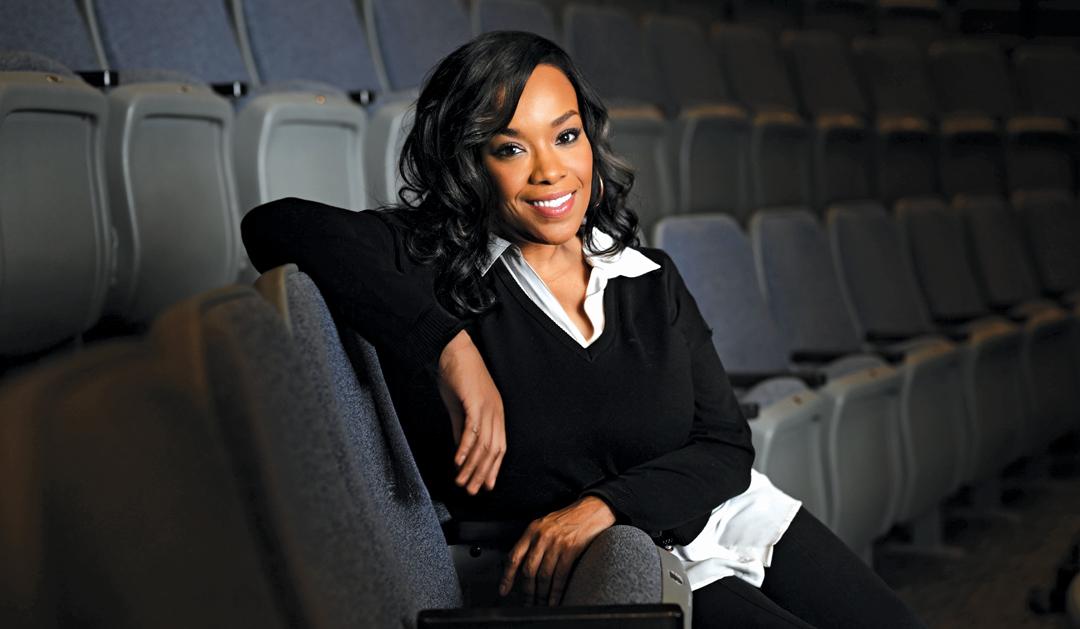
Photograph of a smiling woman sitting in an empty theater.

Kashi Johnson ’93, professor of acting at Lehigh.

Pushing Boundaries with New Productions

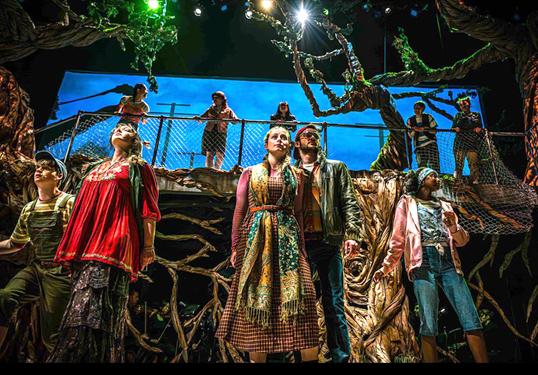
Meanwhile, the theatre department at Lehigh continues to push the envelope of what’s possible on the stage. During the spring semester, the department successfully staged “Into the Woods,” Stephen Sondheim’s challenging and affecting Broadway reinterpretation of children’s fairy tales.

Johnson co-directed the production along with Lyam Gabel, assistant professor of acting and directing, in a unique collaboration with the music department.

Two dozen students took a voice class during the fall semester to master Sondheim’s unique vocalizations and harmonies before performing in the musical in the spring, reimagined as a group of children whose backyard adventures lead them into the forest.

A show of "Into the Woods" with multiple actors on stage in costumes.

During the spring semester, Lehigh’s theatre department staged “Into the Woods,” Stephen Sondheim’s Broadway reinterpretation of children’s fairy tales.

“It was tremendous,” says Johnson, who notes that engineers and computer scientists were among the actors in the play, and hopes it will inaugurate similarly ambitious musicals in the future. “We set a new bar and met it. Whatever happens next, we’ll be building on more than goodwill.”

Among the productions this academic year is “Whither Wander We,” a new ensemble-created performance inspired by “A Midsummer Night’s Dream.” In a fall devising course, Gabel and his students will collaboratively create the production through performance, writing and design. The piece reimagines Shakespeare through a contemporary lens, asking what happens when queer and transgender fairies take up residence in a rural town. It premieres in the spring.

Both productions show how Lehigh continues to push boundaries in theater and inspire the next generation of alumni to explore their own creativity, whether or not they choose to pursue a career in theater.

Story by Michael Blanding

Photography by

Emilio Madrid