



As artificial intelligence (AI) continues to rapidly evolve and transform the way society works, learns and teaches, questions continue to arise about how to better equip students with AI literacy skills that enable them to use the technology both strategically and ethically.
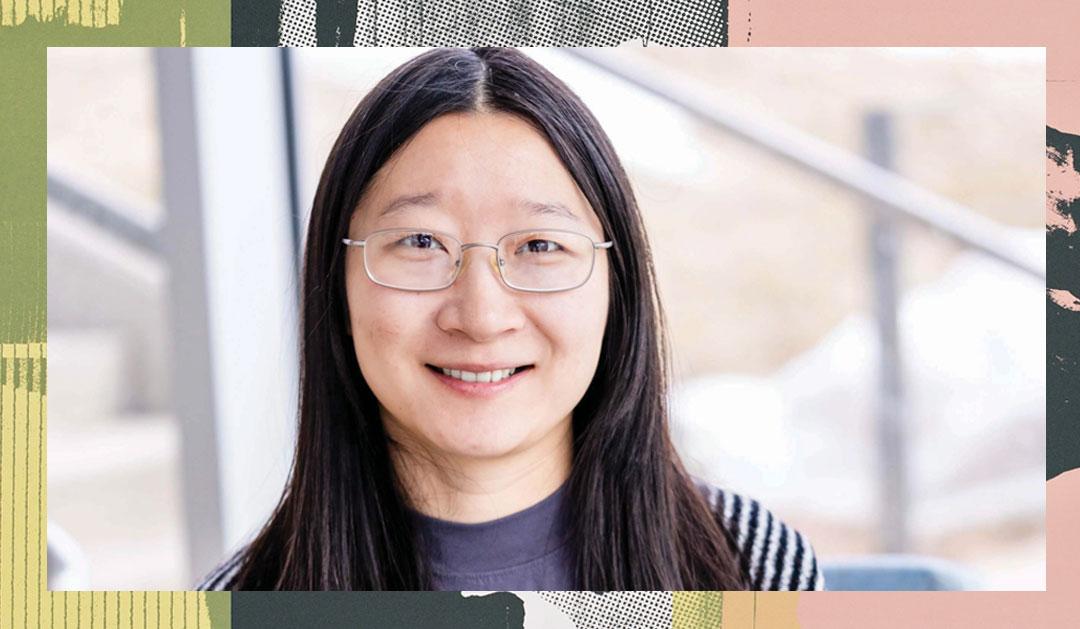
Juan Zheng, assistant professor of the teaching, learning and technology program in the College of Education, recently received a grant from the National Science Foundation (NSF) to support her project titled, "Meta-Partner: Hybrid Intelligence for Self-Regulated Learning," which aims to address these questions and help students become strategic AI users.
Zheng is collaborating with Lehigh professors and students to develop Meta-Partner, a hybrid intelligence system that helps students grow their AI literacy and self-regulation skills across all subjects through goal setting, strategy and progress monitoring, and self-reflection.
Meta-Partner is a computer program platform that combines human judgment with support from an AI agent, which serves as a partner for students and helps them use self-regulated learning strategies along the way until they achieve a task at hand.
Through the platform, students address a real-world problem related to AI using both their AI and subject knowledge. For example, a high school student may be asked to use machine learning to sort a list of endangered species. To solve the problem, the student receives suggestions for learning goals through Meta-Partner that they can revise based on their knowledge of the subject by conversing with the AI agent.
During the process, if the student gets stuck on the problem and needs to change their problem-solving strategy, the AI agent encourages them to try new strategies to finish the task. Once the problem is solved, the student submits their own reflection and the AI agent provides additional prompts so the student can reflect more deeply on their learning.
Zheng’s goal is for Meta-Partner to be implemented in K-12 and higher education classrooms to help students navigate and build confidence in their self-regulated learning and AI literacy—skills they can lean on in their future careers.
“We as learners, as users, have to make ourselves ready for AI,” Zheng says. “Even with technology, you need self-regulated learning to be successful in all subjects. It is another soft skill that will help you succeed in the long term, and it will have a very long-term influence on your life as well.”