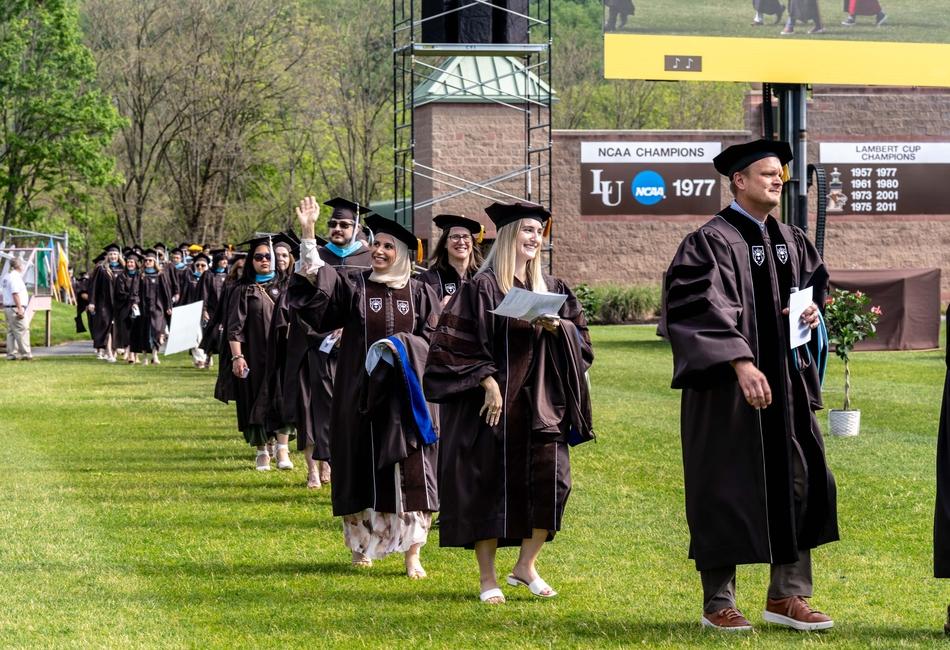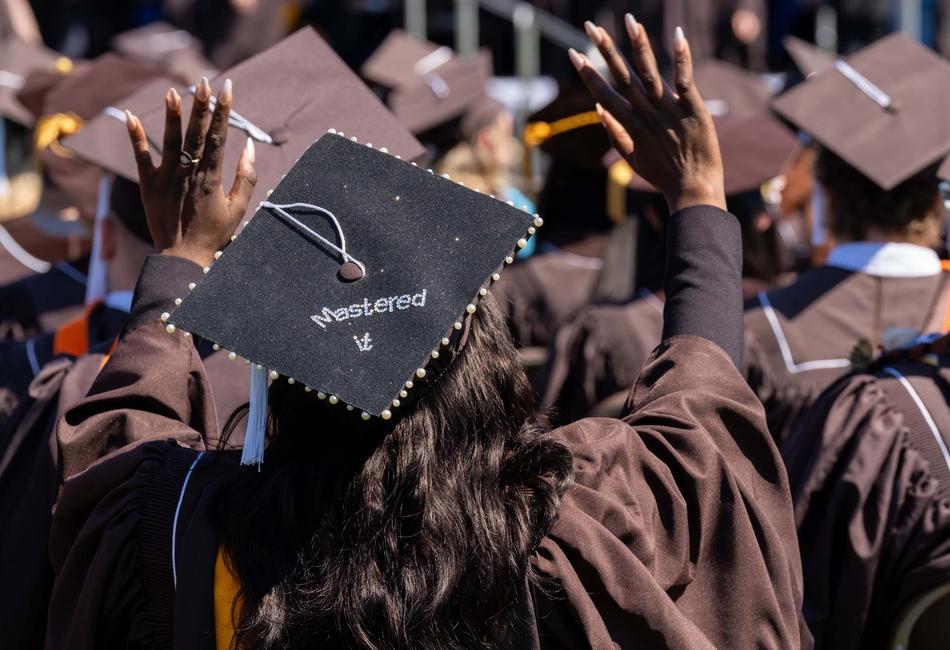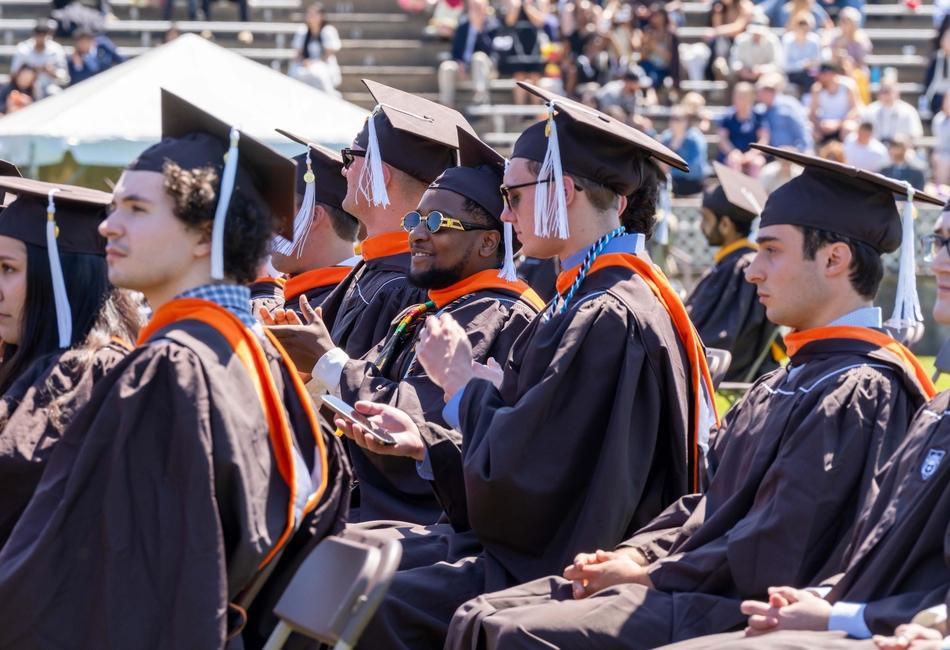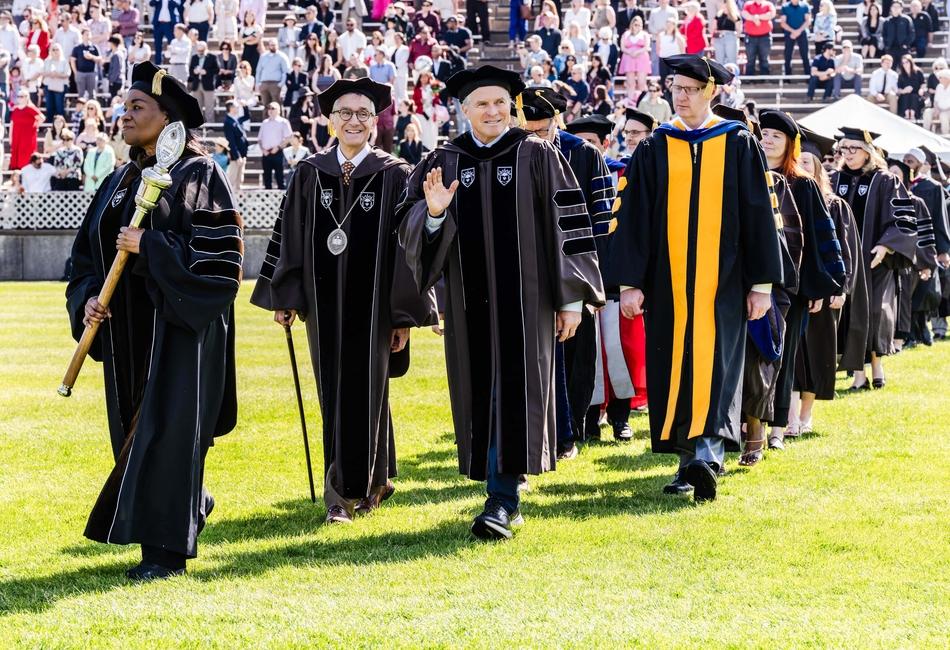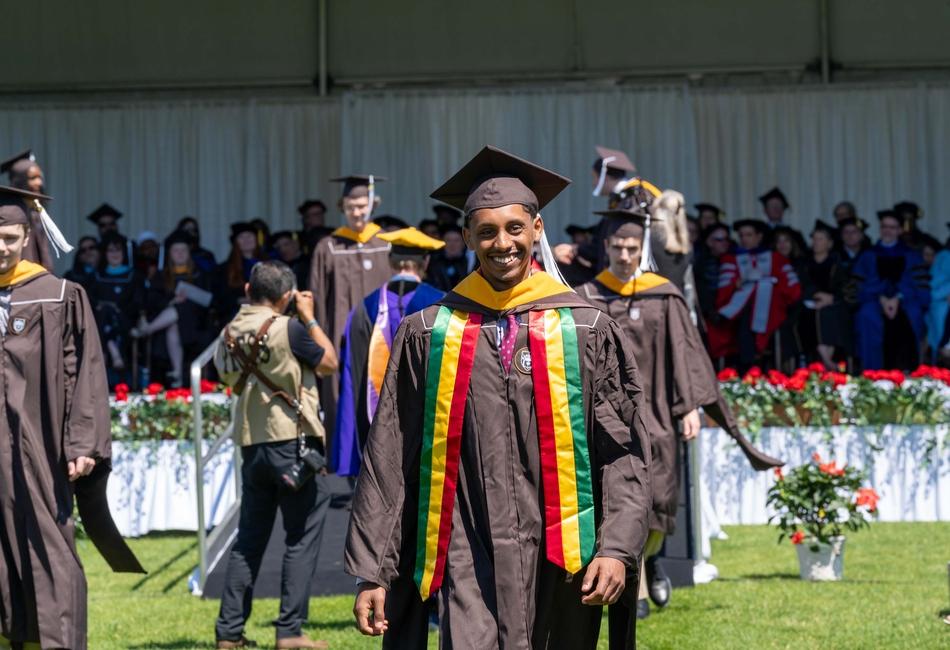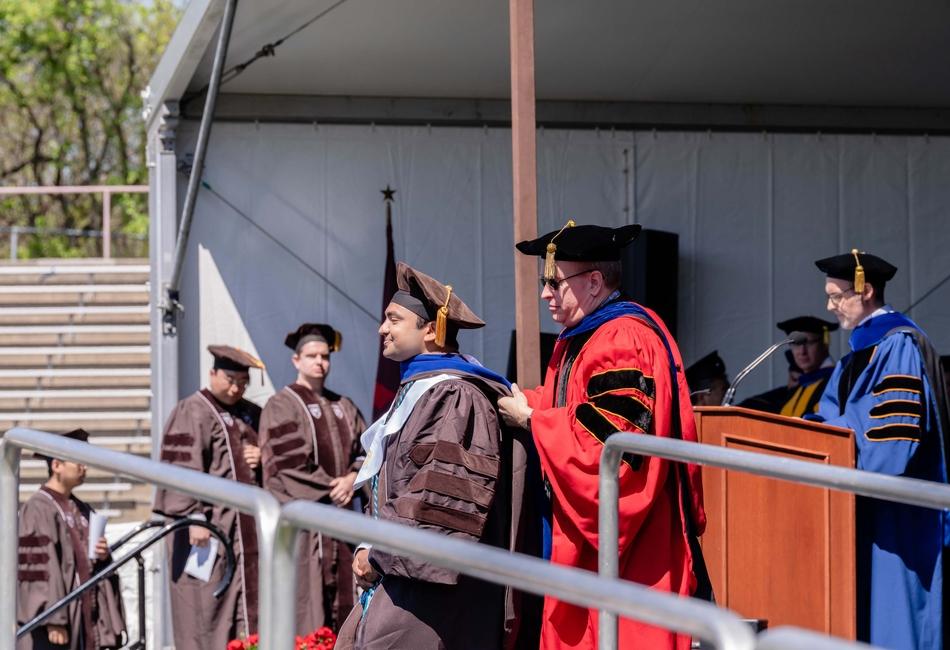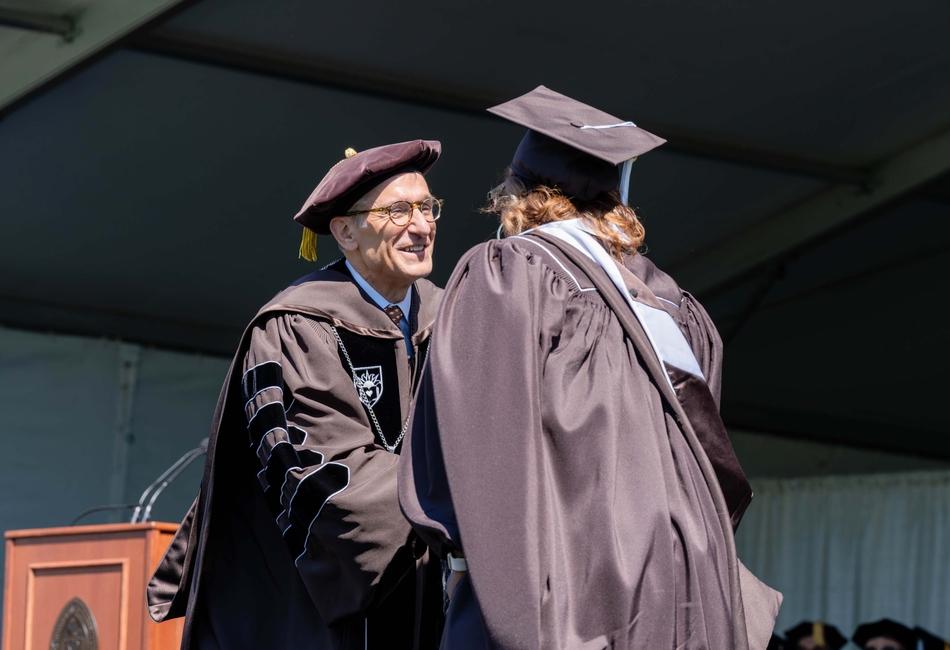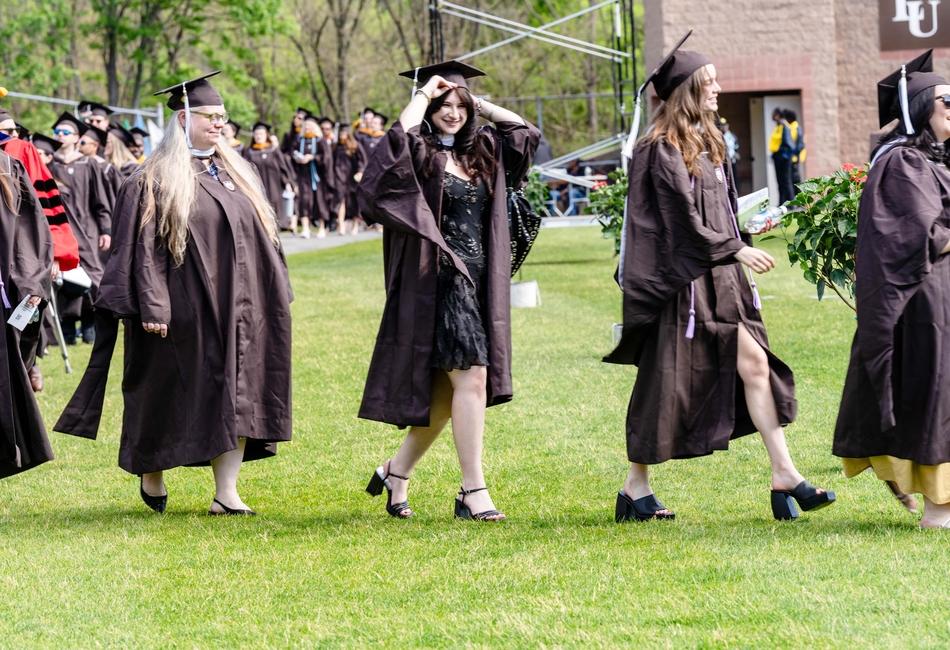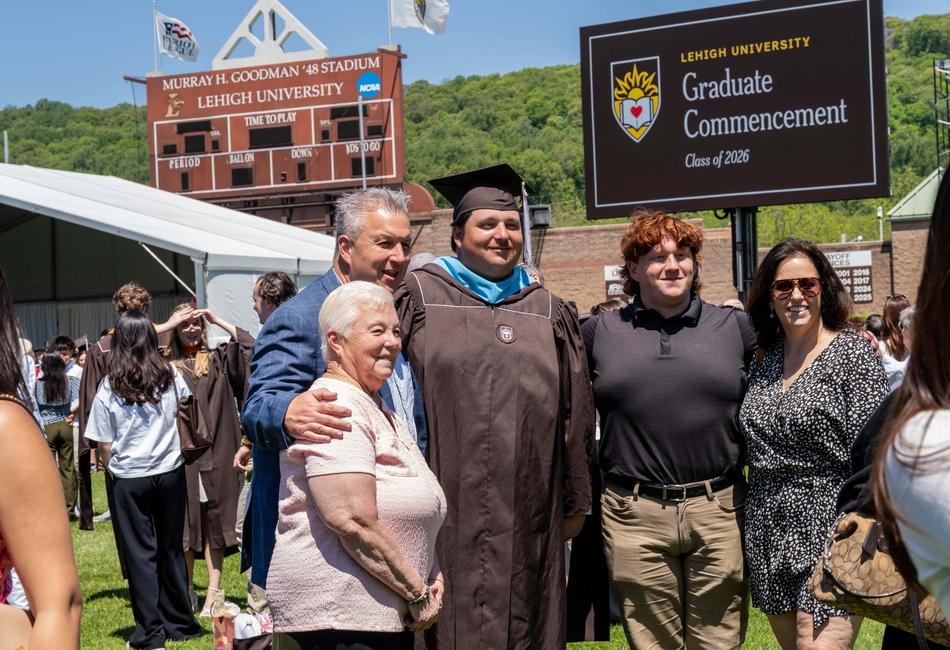
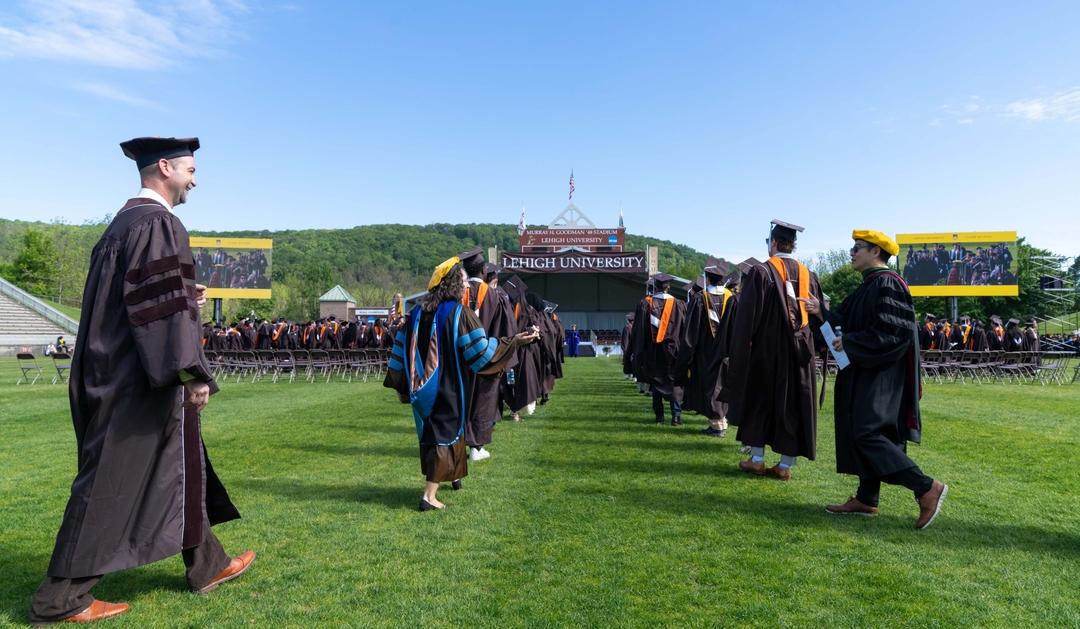
Photograph of graduates in academic regalia walking on a field at Lehigh University.

Lehigh celebrated its Graduate Commencement and Doctoral Hooding Ceremony on Saturday, May 16, 2026 in Goodman Stadium.

Former Congressman Charlie Dent M'93 Tells Graduates ‘You Can and You Will Make a Difference’

Getting your Trinity Audio player ready...

Dent delivered the address at the 2026 Graduate Commencement and Doctoral Hooding Ceremony during Lehigh’s 158th Spring Commencement Weekend.

Story by

Lauren Thein

Photography by

Christa Neu

Charles W. Dent M'93, vice president of the Aspen Institute and executive director of the Congressional Program, told graduates during Lehigh’s 2026 Graduate Commencement and Doctoral Hooding Ceremony that although they are entering a turbulent world, Lehigh has prepared them to face challenges that lie ahead.

“Fear not—this is a great time to be alive and a great opportunity for all of you,” Dent told the graduates. “You can and you will make a difference.”

Dent, who earned a master’s in public administration from Lehigh, had a nearly 30-year public service career. He served seven terms in the U.S. House of Representatives as a delegate of Pennsylvania’s 15th Congressional District (now the 7th District), held roles on the House Appropriations Committee and House Committee on Ethics, and also served in the Pennsylvania House of Representatives and Pennsylvania Senate. Throughout his career, Dent has navigated the complexities of public policy and government, tackling real-world challenges head-on—a mindset that defines Lehigh’s 2026 graduates.

The university conferred 541 master’s degrees, 115 doctoral degrees and 43 graduate research certificates to graduates who represented 47 different countries. While at Lehigh, many of the graduates applied their creativity and knowledge to address emerging global challenges through research, dissertations, academic studies, collaborations and more, developing innovative solutions to spur progress and change in a rapidly evolving world.

During his address, Dent, a third-generation Lehigh graduate, reminded the audience that founder Asa Packer’s vision was for the university to bridge the gap between technical education and the demands of a rapidly changing, industrializing world, like the one Dent’s grandfather faced upon graduation from Lehigh in 1906.

“Lehigh has been true to Packer’s vision for its entire 161 years of existence,” he said.
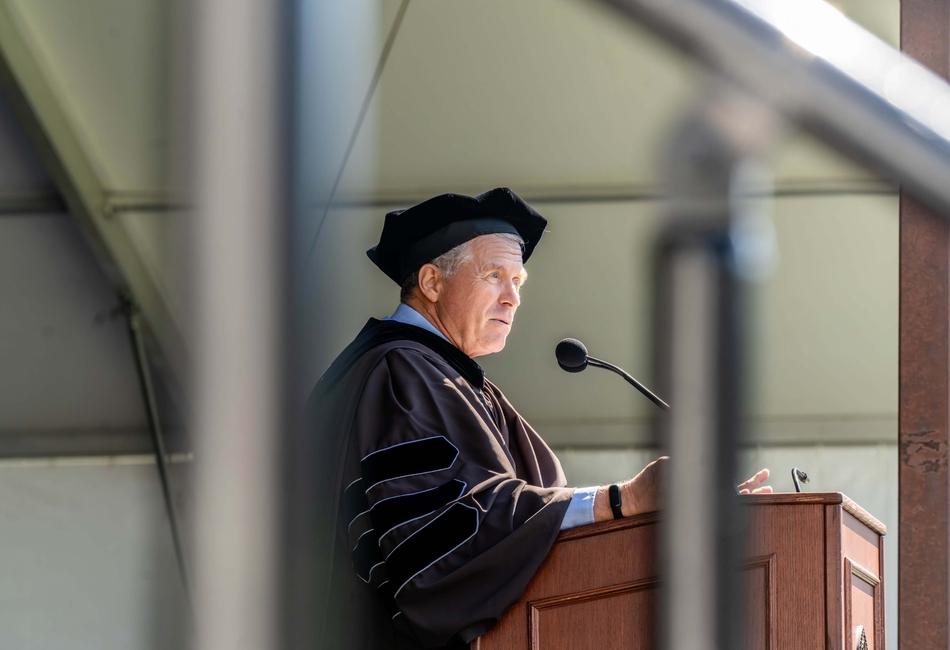
Photograph of Charlie Dent M'93 in academic regalia speaking at a podium.

Charlie Dent M'93 delivered the address during the Graduate Commencement and Doctoral Hooding Ceremony on May 16, 2026.

Dent said the graduates will lead the U.S. through “massive disruption caused by artificial intelligence and all the biotechnology, renewable and nuclear energy breakthroughs, quantum computing, fintech and other advances associated with the digital age.” He noted that some have compared this moment to the Gilded Age in terms of rapid technological change and disparities in wealth.

“Just as our grandparents, great-grandparents and great-great-grandparents left their farms to seek work in urban factories, today you face similar challenge in how and where people will work, what skills they will need to thrive and ways to assist those left behind because of such dramatic change,” Dent said.

He said new ways of thinking will be necessary to meet these demands of a rapidly changing economy.

As the Class of 2026 prepares to begin the next phases of their lives, Dent encouraged them to pursue their passions and be flexible.

“As graduate students, you probably have a fairly good idea of what your next career move will be, something most likely related to your particular interest or field of study and expertise—and that’s a great thing,” he said. “Nevertheless, remain flexible about your career choices.”

Dent also advised graduates to seize opportunities.

“I firmly believe those who are passionate about their work get noticed and opportunities will find you, or you them,” Dent said. “Good luck is often not accidental; it is the consequence of dedication, determination and preparation. So go forth and make your own luck. I know you can do it.”

He closed his address by telling the graduates they can determine their own destinies. While the graduates may face personal challenges, Dent said he has witnessed many people surmount seemingly unimaginable circumstances.

“The world is in terrible disorder right now, and more turbulence is in the forecast,” Dent said. “No matter the state of the world, you have been well prepared by Lehigh to face the challenges thrown in your path.”

Solving Challenges Through Education and Research Innovation

Throughout their studies, many of the graduates were motivated to embrace challenges and opportunities for change they discovered, channeling their passions, skills and curiosity into research and hands-on projects that served as catalysts for creating innovative solutions.

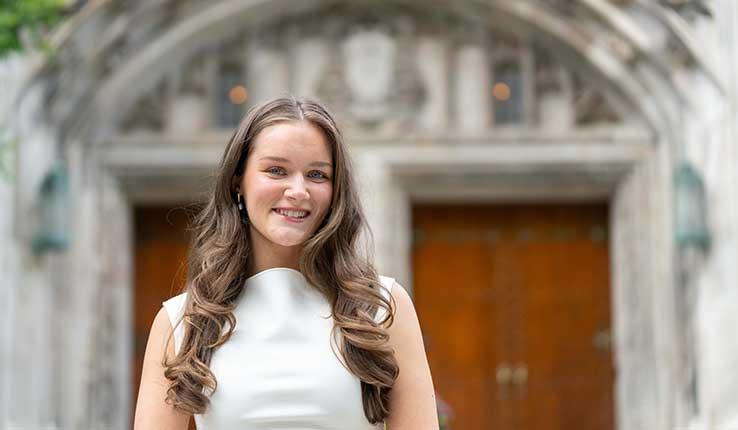
Photograph of a smiling woman in a white dress in front of an arched stone building.

Georgia Bromley ’25 M’26

Georgia Bromley ’25 M’26, who earned a master of public health in the College of Health, leveraged her curiosity and interests in mental health and women’s health to recognize areas of research where she could make an impact.

Bromley, who will serve as a national account associate on the American Journal of Managed Care oncology team at MJH Life Sciences, has worked with Rochelle Frounfelker, assistant professor in the department of population health, on community-based participatory research projects in partnership with the Bhutanese Community of Central Pennsylvania (BCCPA).

Bromley contributed to a qualitative study on substance use among first generation ethnic-Nepali Bhutanese youth and young adults with a refugee life experience, which she presented at the American Public Health Association’s (APHA) 2025 Annual Meeting and Expo. She also contributed to Project Bhalakushari, which examines the mental well-being of the older Bhutanese community in Central Pennsylvania.

Bromley’s investigative nature and interest in women’s health led her to pursue an applied practice experience where she partnered with BCCPA and digital health company Heudia Health, exploring how their care coordination technology can help address women’s health needs.

“Women's health is something I'm really interested in, but I didn't see that as something that's been explored in the Bhutanese community,” Bromley said.

As part of the experience, she completed a health needs assessment focused on women in the Bhutanese community and said her work is helping BCCPA develop interventions. She said it was rewarding to help uncover underlying needs and spur progress.

As her capstone project, Bromley completed a thorough program evaluation of Pathway to Hope, BCCPA’s community initiative focused on suicide prevention and mental health awareness, and provided recommendations to BCCPA for how to strengthen and move the program forward.

“With these [applied practice experience and capstone] projects, I have been able to have an impact in addition to our research,” Bromley said. “I think working on these projects by myself has really pushed me as well.”

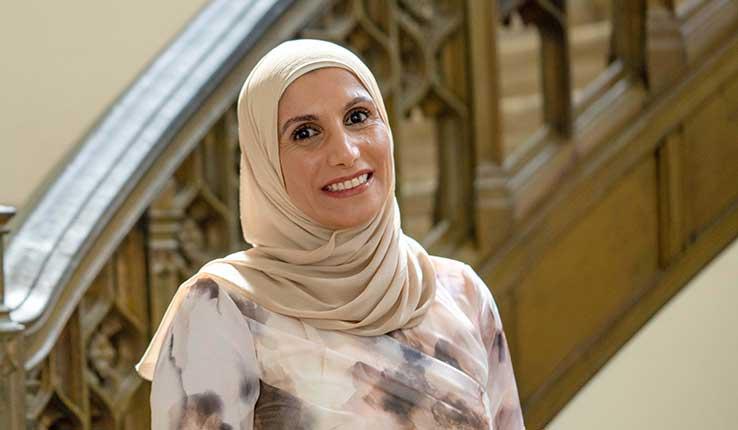
Photograph of a smiling woman in a floral top by an ornate wooden staircase.

Nesreen Haddush M’15 Ph.D.’26

As artificial intelligence rapidly reshapes our world, Nesreen Haddush M’15 Ph.D.’26, who earned a Ph.D. in the teaching, learning and technology program in the College of Education, is driven to discover how emerging technologies like AI can transform the future of education and improve learning outcomes.

With a bachelor’s in computer science and a master’s in computer engineering, Haddush’s interdisciplinary background prepared her well for the career path she chose. After receiving a second master’s degree in instructional design and technology in 2015 from Lehigh and working in instructional design in healthcare, Haddush was drawn to return to Lehigh and pursue her Ph.D. She studies how emerging technologies like virtual reality (VR) and AI change how we learn and engage with information.

“I realized that generative AI is here to stay,” Haddush said. “It's not just a passing trend—it's a fundamental shift in how we work and how we think. I'm motivated by the idea that if we teach students how to use generative AI critically and efficiently today, we empower them and make them ready for the future workforce where they will need to use it.”

For her doctoral research with advisor Alec Bodzin, professor in the teaching, learning and technology program, Haddush compared the impacts of immersive VR and interactive video on student motivation, engagement and learning achievement. She found that students were more engaged and motivated by immersive VR, but they learned more from interactive video.

She successfully defended her dissertation through which she explored how integrating generative AI in formal higher education courses impacts students’ motivation, engagement, critical thinking and learning achievement. She also conducted an exploratory case study to investigate how future teachers can use AI tools to design their own instructional materials. She found that critical thinking, engagement and evaluation using pedagogical judgment were critical to students when it comes to using AI.

The ultimate goal of her research is to ensure that, as technology evolves, the human elements of learning, such as critical thinking and evaluation, don't get lost. She said she wants to understand how we can design learning environments that inspire students to engage and critically use the technologies to improve learning outcomes.

Her future goals include teaching and researching in academia, building on her research and using generative AI in different contexts and courses.

“I learned how to take massive, complex questions like the future of AI in the classroom and break that down to answerable, rigorous, ethical research,” Haddush said. “I will be walking away from Lehigh with the ability to look at any new technology not just with excitement, but with a critical researcher's eye.”

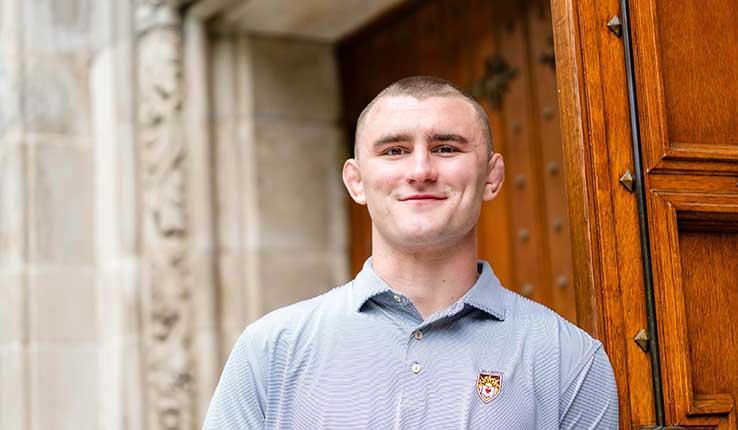
Photograph of smiling man in a light blue polo shirt in front of a stone building doorway.

Jack Wilt ’25 M’26

Between matches on the mat, wrestler Jack Wilt ’25 M’26 was building his future in construction management and creating a communications platform designed to tackle challenges in the construction industry as part of the technical entrepreneurship master’s program in the P.C. Rossin College of Engineering and Applied Science.

Wilt earned his bachelor’s degree in political science in 2025 and has wrestled for five consecutive years at Lehigh.

“The wrestling team has been like a second family to me,” Wilt said. “Just having a built-in group of people to support you no matter what you're going through has been really fantastic, and it has pushed me in a lot of ways and forced me to grow both as an athlete and as a person.”

As part of his master’s program, Wilt conducted 30 interviews with industry leaders and realized an opportunity to innovate and solve communications challenges they faced. For example, Wilt said high exchange rates of information on job sites can lead to miscommunications that create budget and schedule overruns.

“I noticed a couple of pain points coming up through my interviews and thought it would be really cool to try and solve these throughout my time in the technical entrepreneurship program,” Wilt said.

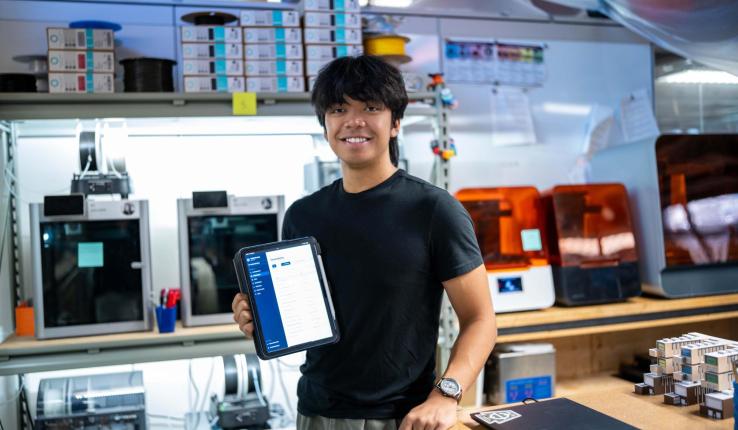
He created ConCom, a construction management platform designed for small- to medium-sized businesses that aims to resolve the challenges by organizing the workflow of contractors, allowing for efficient communication between jobsite personnel, tracking productivity and surfacing the right information at the right time. He spent a year building and developing the platform, which he recently presented at the Baker Institute’s 2026 Innovate! Celebrate! event.

As he prepares to work as an assistant project manager at CB Construction Management where he previously interned, Wilt said he is looking forward to continuing to develop ConCom as he has time and hopes to utilize it as a helpful tool in his future career.

CB Construction Management sponsored the Lehigh vs. Cornell wrestling match in January, where they welcomed Wilt as a future team member.

“It was a really special moment to see my future and where I'm at now sort of blend,” Wilt said. “My goal is to get my career started and begin to make an impact.”

‘Keep Moving Forward’

Prior to Dent’s address, President Joseph J. Helble ’82 opened the ceremony and introduced Provost and Senior Vice President for Academic Affairs Nathan Urban, who welcomed the graduates and guests, and introduced Marsha Akua Akoto Ph.D.’26, who received her Ph.D. in counseling psychology.

A widely published researcher, Akoto’s work focuses on social justice, mental health and reducing disparities in underserved communities. Following graduation, Akoto will complete an APA-accredited internship at Yale School of Medicine where she works with underserved patients with severe mental illness. She will continue her training as a postdoctoral fellow with the U.S. Department of Veterans Affairs, supporting veterans with complex mental health challenges.

Akoto congratulated the graduates, acknowledging that they’ve “made it here through some incredibly demanding times,” from countless assignments to hundreds of pages of dissertations.

“And as innovators, scientists, authors, clinicians and researchers, you’ve carried stress, sleepless nights and sometimes uncertainty, and you still made it here—and that matters,” Akoto said. “Because it means you’ve already learned something important: you can keep moving forward even through difficult and seasons of uncertainty.”

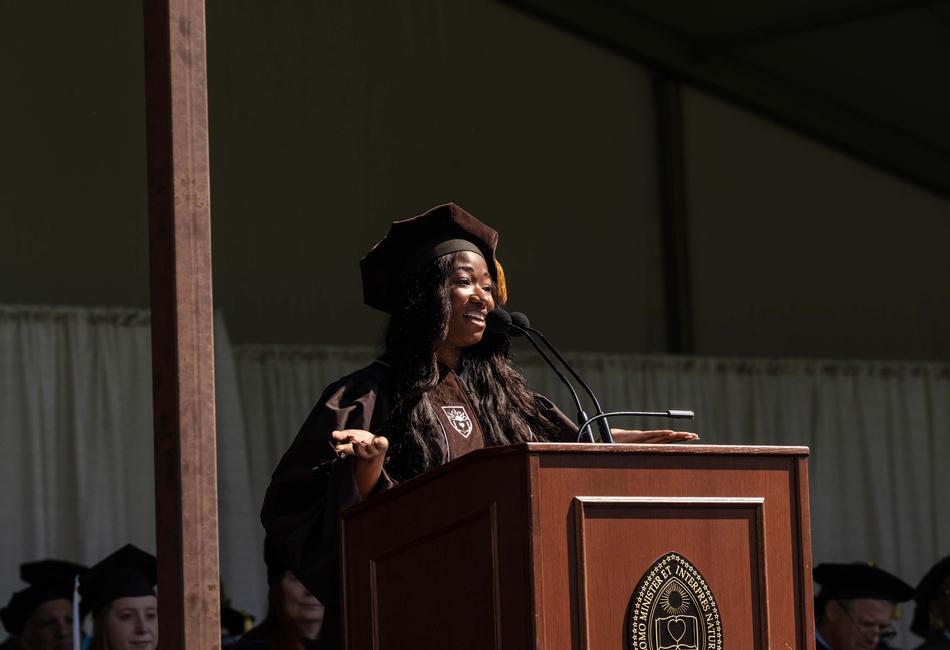
Photograph of Marsha Akua Akoto Ph.D.’26 in academic regalia smiling while speaking at a podium.

Marsha Akua Akoto Ph.D.’26 addressed her fellow graduates during the Graduate Commencement and Doctoral Hooding Ceremony on May 16, 2026.

She added that none of us move through those difficult seasons alone, and emphasized the importance of community.

“Everyone is here because somebody believed in us, and somebody gave us a chance, and somebody encouraged us, and all of this moved us forward when we needed it the most,” Akoto said. “What we do here matters. It’s about impact. It’s about creating ideas, solutions and new ways of thinking that extend far beyond this very moment.”

Akoto encouraged graduates to move forward with intention and share what they’ve learned, stay connected and give back to the communities that supported them along the way.

“Because in a world that can feel so uncertain, demanding and heavy, what we carry matters, but who we carry with us matters a lot,” Akoto said. “So wherever life takes you next, go far, but don’t go alone.”

‘Embrace That Friction’

President Joseph J. Helble ’82 closed the ceremony, recalling how the diverse community of graduates came from the world over to learn together and from one another. He said the graduates came together in the classroom, laboratory and even at the International Bazaar last month, sharing food, music, stories, culture and community.

“Transcending national boundaries. Interested only in sharing and learning. Face-to-face, curious about your differences, connecting in ways that remind us of the essence of being human,” Helble said.

However, Helble noted that human connection—deeply personal and in-person conversation—is something we are doing less of in a world of connected devices and social media.

We communicate so often through our devices, and with generative AI, we have begun to communicate by our devices, having generative AI craft the perfect sentence, email, report or story, Helble said.

He then offered a piece of advice: “It’s too easy … to fall into the trap of having AI do the thinking for you, not with you. True learning, and true understanding, comes from wrestling with a problem, asking, ‘What am I missing?,’ and finding that spark of inspiration, sometimes in a completely unrelated or unexpected place.”

He noted that life is not smooth, and encountering friction on your path and working to overcome it is where true learning emerges.

He asked the graduates to think about how and where they use AI, particularly when they communicate.

“Human interactions are messy and imperfect,” Helble said. “They’re subject to misinterpretation and misunderstanding. There is that friction. That’s risky. And that, I think, is so often the beauty in life. So I ask you, embrace that friction.”

When thinking about using AI to express themselves in the perfect way, Helble told the graduates to ask themselves, “Is perfect really the goal?”

“Think about what it means to you to be authentically human.”

The Allentown Band, under the direction of conductor Ronald H. Demkee, opened the ceremony with a musical prelude and the processional and concluded the festivities with a recessional. This year marks the band’s 43nd performance at Lehigh’s Commencement ceremonies. The ceremony began with an invocation from Endowed Director of Jewish Student Life and Associate Chaplain Rabbi Steven P. Nathan, and it was followed by the national anthem, led by Temma Leeba Schaechter M.Ed.’26. Marsha Akua Akoto Ph.D.’26 delivered the graduate student remarks. The benediction was offered by Imam Tariq Ameer, director of Muslim student life. The alma mater was led by Marti Anna Colasurdo MS’26.

Story by

Lauren Thein

Photography by

Christa Neu