Moving the World: From South Mountain to the American Skyline
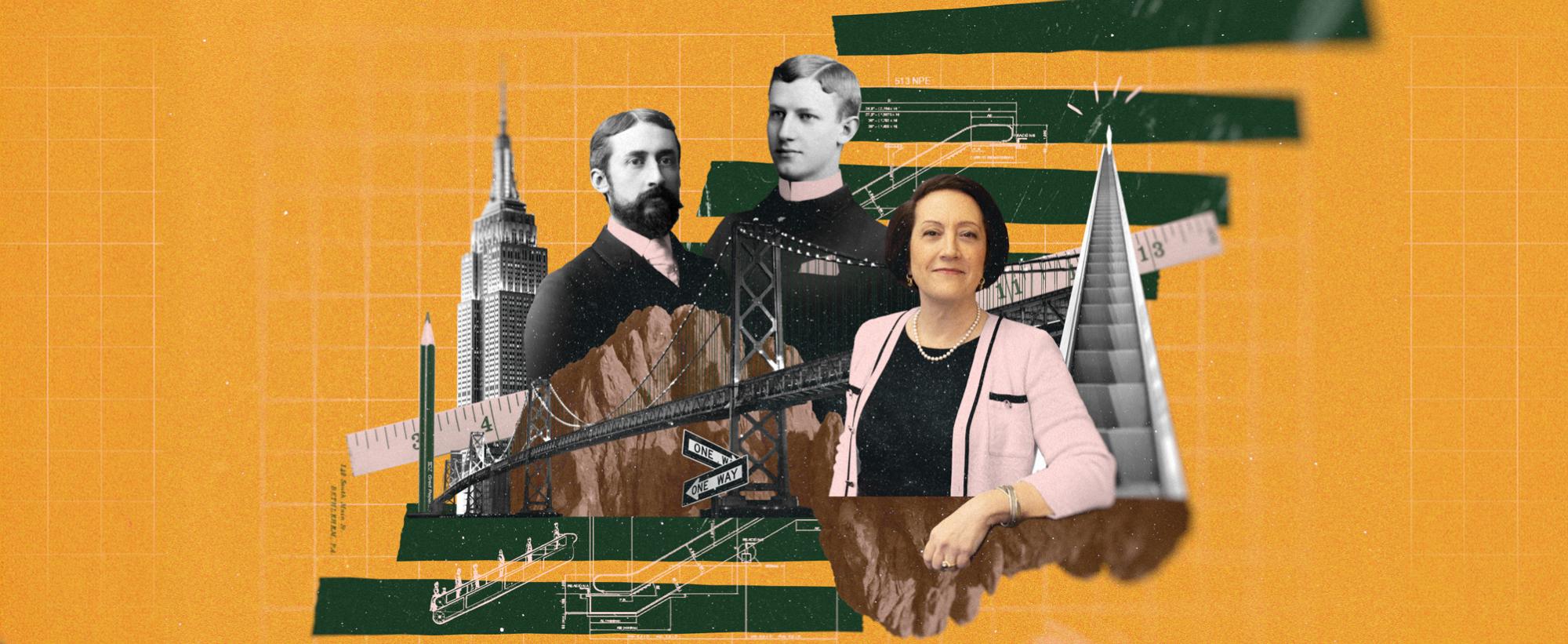
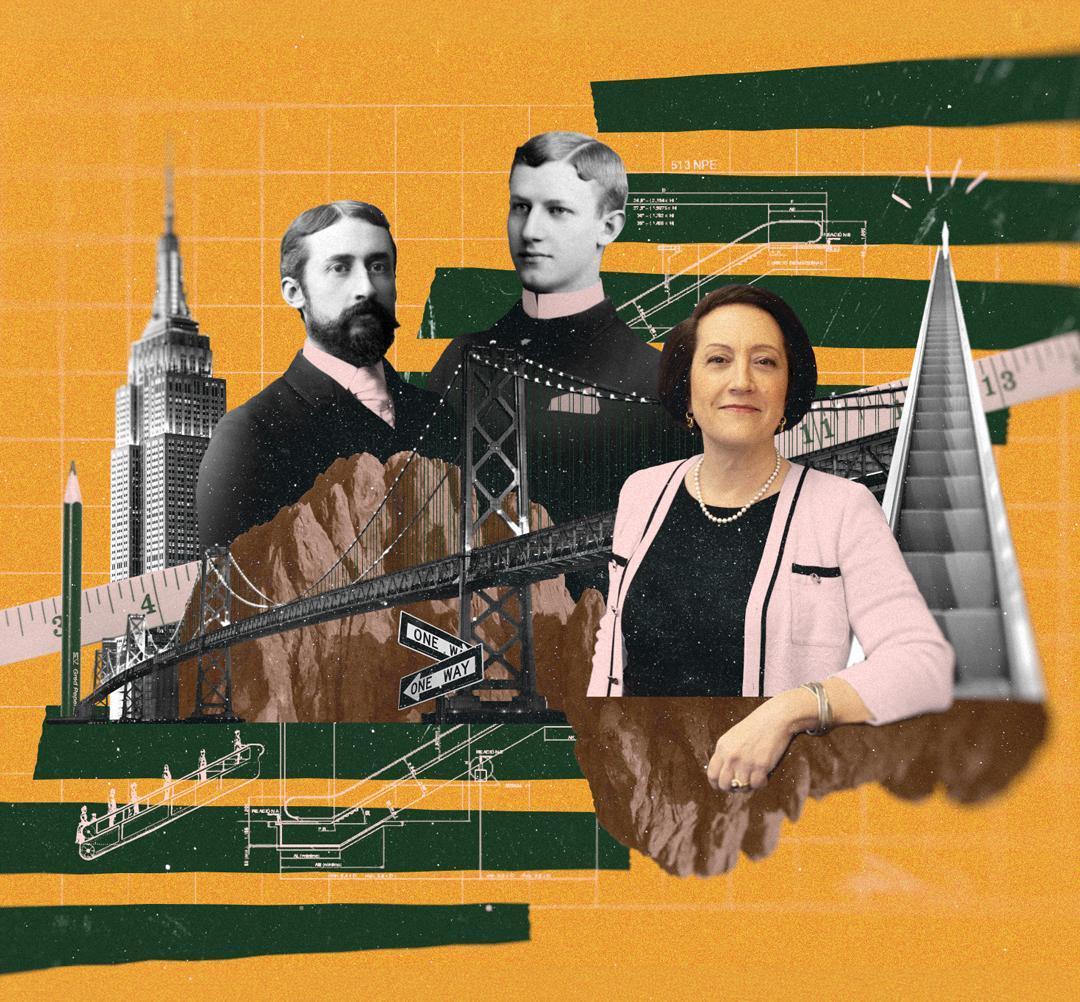
Whether it’s Judy Marks leading a company that moves 2.5 billion people per day, Jesse Reno transforming a hilltop walk into a global transportation solution, or Howard McClintic and Charles Marshall building the backbone of American cities, Lehigh alumni don’t just imagine the future. They build it.
Getting your Trinity Audio player ready...
At Lehigh University, the extraordinary has always had practical roots. It's where ideas are tested against reality, where ambition meets grit, and where leadership and innovation are measured by vision and action. Across generations, Lehigh graduates have left their mark on the world through real, lasting impact.
Judy Marks ’84 embodies that spirit. As chair, CEO, and president of Otis Worldwide Corporation, the global leader in elevators and escalators, she leads 72,000 people with unwavering purpose and grounded resolve. From her days studying electrical engineering at Lehigh, Marks understood that being a leader meant more than a title; it meant showing up, listening, deciding and acting on what matters.
Over nearly four decades in the aerospace, defense, industrial and technology sectors, Marks built a career on real-world experience and real-time decisions. From IBM Federal Systems to Lockheed Martin and Siemens USA, she led with conviction and clarity. At Otis, she helped return the company to its independent roots, taking it public on the New York Stock Exchange in 2020.
Building on those roots, she focused on modernizing a (now) 172-year-old industrial business—guiding it through periods of significant disruption and uncertainty without compromising its safety culture, operational reliability or ability to execute at scale. At the same time, she doubled down on her conviction that Otis is fundamentally a service-led company, built on customer trust.
This is what real leadership looks like. It’s disciplined, forward thinking and deeply human.

Otis Worldwide Corporation, the world's leading elevator and escalator manufacturing, installation, service and modernization company, is chaired, led and presided over by Judy Marks.
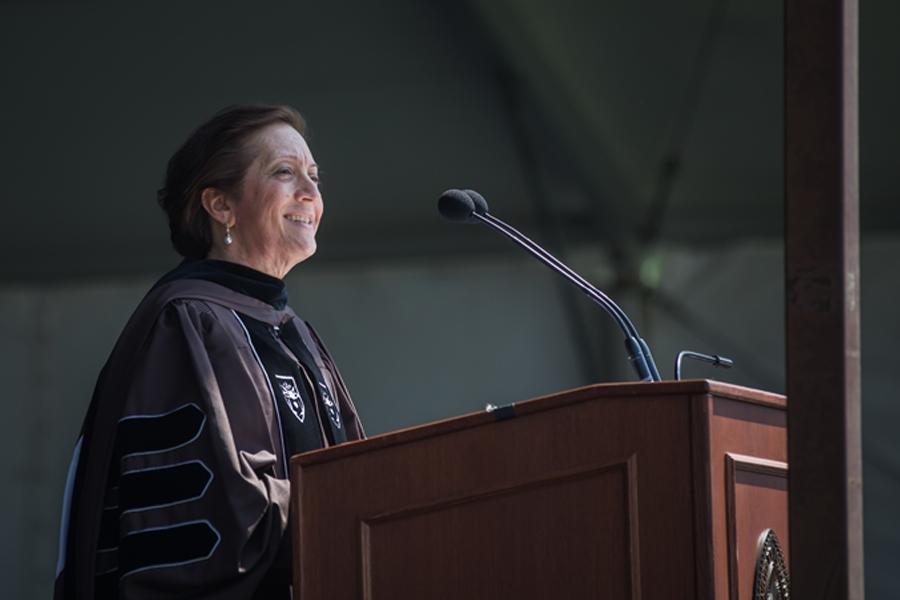
Marks delivered the keynote remarks at Lehigh’s Commencement for graduates of the Class of 2022, sharing lessons learned since her own graduation to help serve graduates in their “pursuit of lifelong transformation.”
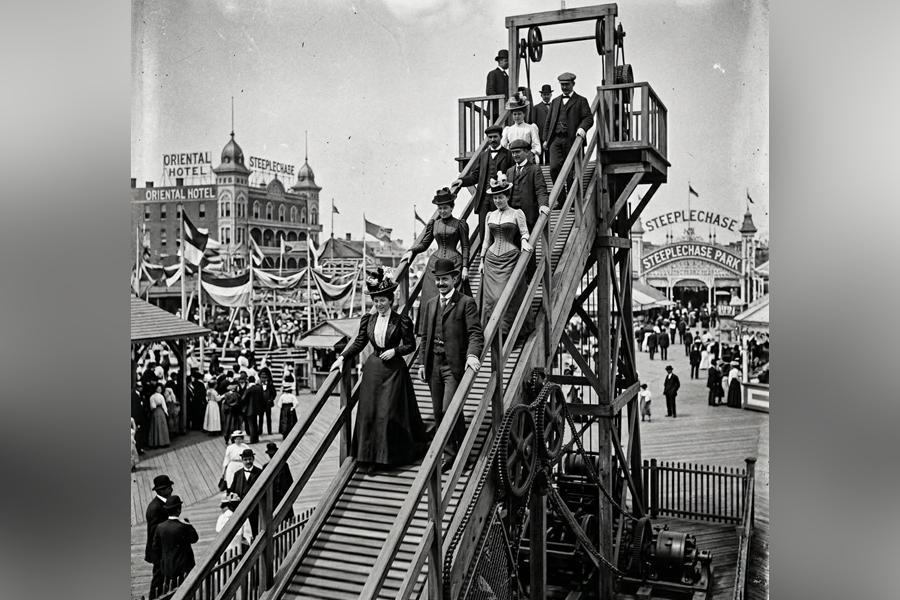
On March 15, 1892, the escalator was patented by American inventor Jesse Wilford Reno. His “inclined elevator” first transported some 75,000 in Coney Island, New York.
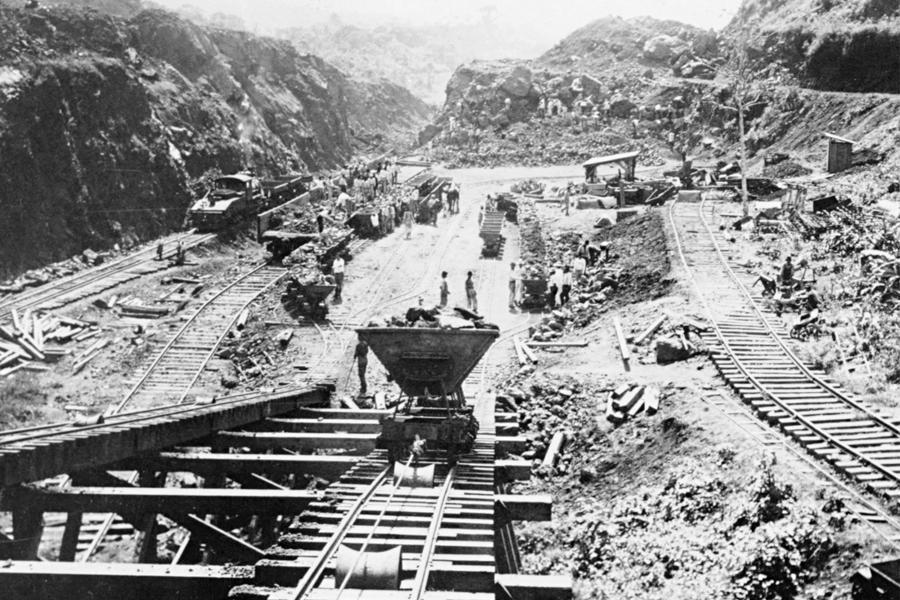
The McClintic-Marshall Company was the world's largest independent steel fabricating firm before its acquisition by Bethlehem Steel Corporation in 1931. The firm manufactured all the locks of the Panama Canal.
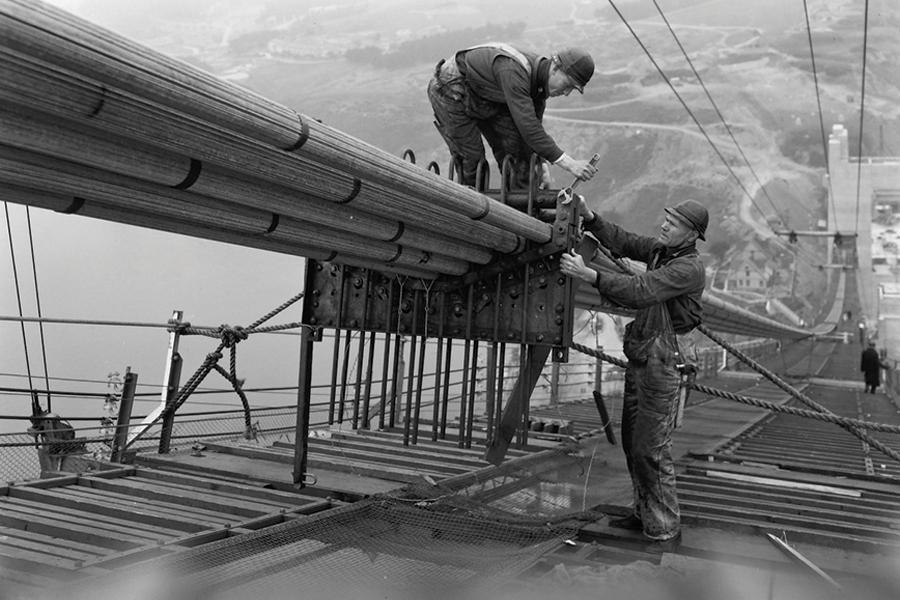
The Golden Gate Bridge was constructed by McClintic-Marshall Construction Co., a subsidiary of Bethlehem Steel founded by two Lehigh alumni from the Class of 1888.
Marks’s story doesn’t stand alone. More than a century earlier, Jesse Reno, Class of 1883, was also solving real problems with imagination rooted in engineering. It’s said that Reno’s daily hike up South Mountain may have inspired a revolutionary idea: what if there were a better way to move people up?
In 1892, he patented a moving staircase (what we now call the escalator). With metal planks, a 25-degree incline, and a handrail that moved with the steps, Reno’s invention was transformative. First featured at Coney Island in 1896, it quickly evolved into a critical part of modern infrastructure, used in subways, department stores and public spaces around the world. In the early 1900s, Reno’s patent was purchased by Otis, linking his legacy to the very company Judy Marks would lead over a century later.
Some Lehigh stories are born from real partnerships. Charles Marshall, Class of 1888, and Howard McClintic, Class of 1888, met at Lehigh, where they built a friendship rooted in shared values and sharpened by academic rigor. In 1900, they co-founded the McClintic-Marshall Construction Company, and together, they built a business and the modern skyline.
From the Empire State Building to the Golden Gate Bridge, the George Washington Bridge to the locks of the Panama Canal, their work became the backbone of American progress. What began at Lehigh became the foundation for national infrastructure, transforming how people lived, worked, moved and connected. By 1930, their company was the largest independent steel firm in the country, eventually acquired by Bethlehem Steel, further tying their legacy to the region and to the university that shaped them.
Although these stories are different, they’re built from the same core: determination to solve real problems and innovation to dream big. Real innovation, after all, doesn’t just change how people move; it changes how they live.
At Lehigh, that’s the standard. Real leadership, innovation and impact…and it starts here.