

Colleges and universities across the country are facing a range of new challenges, including inflation, demographic pressures, shifting student enrollment patterns and a changing research funding landscape. In response, many institutions are making difficult decisions, including workforce reduction, academic program consolidation, limitation of facilities investments and other cost-reducing measures. In recent years, Lehigh’s leadership has been focused on long-term financial sustainability while making strategic investments designed to strengthen the university’s financial foundation. This approach is intended to support continued investment in the student experience, faculty recruitment and retention and funding research during periods of uncertainty.
The results of the university’s long-term approach earned national recognition when Forbes awarded Lehigh an A+ grade in its annual financial rankings of American colleges and universities in May. The distinction, which reflects notable financial resilience, places Lehigh among institutions cited for their financial strength.
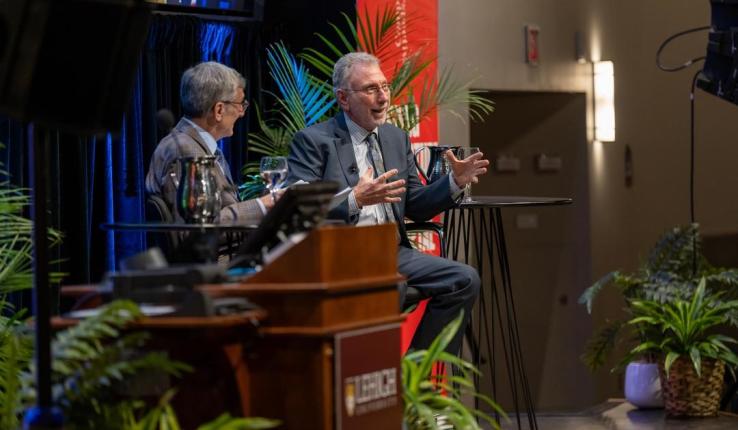
"This recognition affirms the success of Lehigh’s careful stewardship and long-term planning,” said Nathan Urban, provost and senior vice president for academic affairs. “An A+ financial grade demonstrates that Lehigh is positioned to continue creating an exceptional student experience, supporting world-class teaching and research and opportunities that prepare graduates to lead and make meaningful contributions in an increasingly complex world."
Urban said the rating reflects years of disciplined, intentional financial planning that has positioned the university for long-term success in a rapidly changing landscape of uncertainty.
Rather than relying on broad budget cuts, university leadership adopted a targeted approach to resource allocation. Through a strategic, multi-year process, 2% of the existing operating budget is continuously reallocated toward high-priority strategic plan initiatives, ensuring resources remain aligned with institutional priorities while preserving investments in teaching, research and the student experience. That approach has produced measurable results, including increased graduate student applicant pools and the largest first-year incoming undergraduate class in university history in 2025.
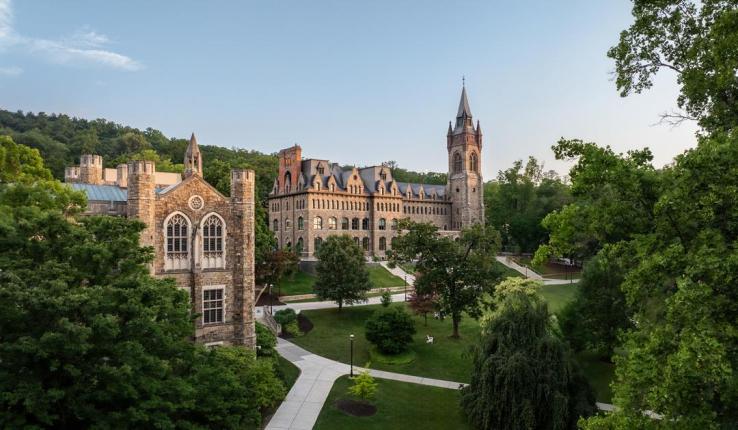
As the university enters year four of a 10-year strategy, leadership remains focused on initiatives that elevate the student experience. Strategic investments in campus infrastructure, including the newly opened Forest Park outdoor space and planned East Hill Residence Halls, emphasize an ongoing commitment to enhancing residential life. Concurrently, continued refinements to the interdisciplinary curriculum and sustained investment in interdisciplinary research reinforce the rigor and distinctiveness of Lehigh’s academic environment, further advancing the university’s standing as an R1 research institution.
With a strategic lens, university leaders note the importance of proactive financial decisions that balance short-term pressures with long-term goals, which allow the university to maintain momentum.